
If you’ve been putting off booking a women’s health physiotherapy appointment because you’re nervous about what happens, you’re not alone. Many people walk in with the same question:
“What exactly is going to happen today?”
As a pelvic health physiotherapist, I want to reassure you: the process is professional, comfortable, and designed to help you feel in control. Here’s what to expect step by step.
Why See a Women’s Health Physiotherapist?
Women’s health physiotherapy focuses on pelvic health issues such as:
- Urinary leakage or incontinence
- Pelvic pain or heaviness
- Postnatal recovery
- Pain during sex
- Bowel issues
These symptoms are common—but not normal, and you don’t have to live with them.
Step 1: The Initial Consultation
Your appointment begins with a relaxed and confidential conversation. For the first 15–20 minutes, we’ll discuss:
- Pregnancy and birth history
- Surgeries or injuries
- Bladder and bowel habits
- Sexual health concerns
- Any symptoms or fears you may have
This helps me understand your unique situation and goals. There’s no rush and no pressure—just a chance for you to share your story.
Step 2: External Assessment
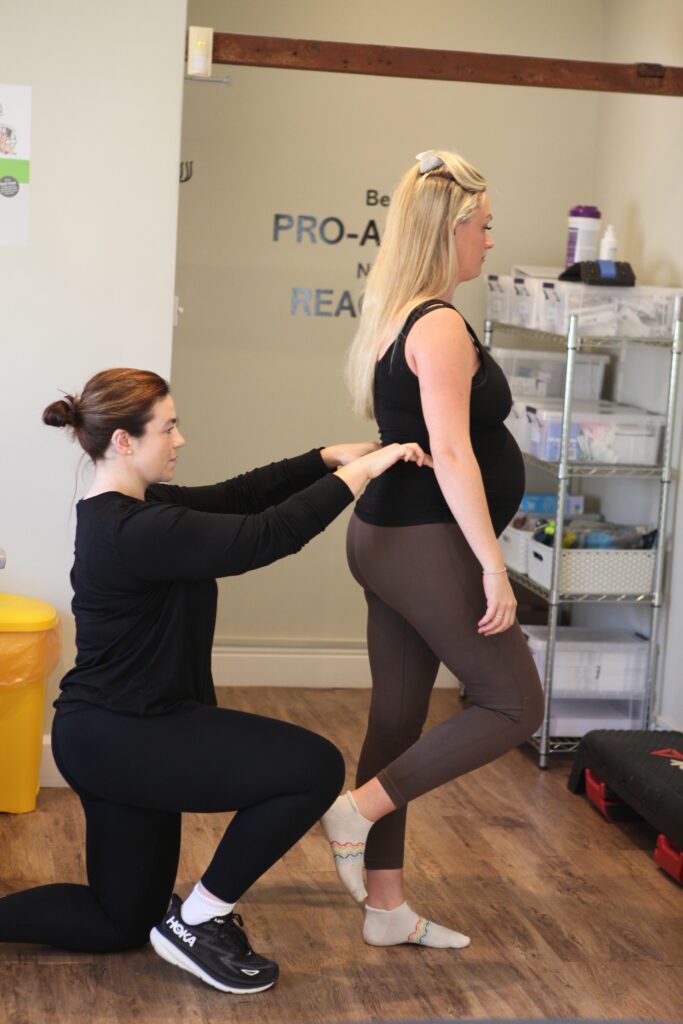
Next, I’ll move to a physical assessment. You’ll remain fully clothed while I check:
- Posture and alignment
- Breathing patterns
- Movement of your ribs and diaphragm
- Tension or scars in your abdomen and lower back
This helps identify areas of tightness, weakness, or imbalance that may affect your pelvic health.
Step 3: Internal Assessment (Optional)
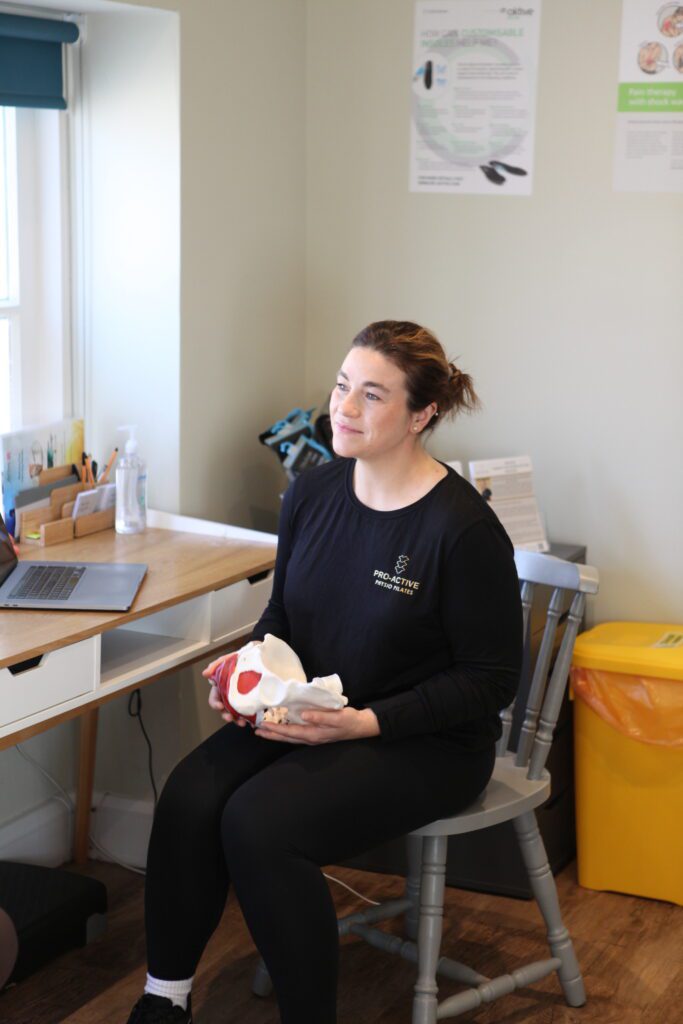
This is the part most people worry about—but it’s far less intimidating than you think. I’ll explain why an internal exam can be helpful: it allows me to feel what your pelvic floor muscles are actually doing, rather than guessing.
Important:
- You are always in control.
- You can say no, and we can still achieve great results externally.
If you agree, here’s what happens:
- You undress from the waist down behind a screen.
- Lie on the couch with a sheet over you.
- I use one gloved finger and a small amount of lubricant to gently assess your pelvic floor muscles.
I’ll ask you to cough, squeeze, and relax so I can check strength, coordination, and support.
It’s quick, painless, and usually takes less than three minutes.
Step 4: Education and Training
This is where the real progress begins. I’ll teach you how to:
- Breathe effectively into your lower ribs and belly
- Engage and relax your pelvic floor muscles correctly
- Coordinate breathing with pelvic floor movement
You’ll receive real-time feedback so you know exactly what’s happening and how to improve.
Step 5: Your Personalised Plan
Every treatment plan is tailored to your needs. It may include:
- Pelvic floor strengthening exercises
- Relaxation techniques for overactive muscles
- Functional movement strategies (e.g. lifting without leaking)
Our goal is to restore confidence and control over your body.
What You Should Know Before Your Appointment
- Nothing you say will shock me—I’ve heard it all.
- You are in control at every stage.
- Internal exams are optional and never mandatory.
- Pelvic health physiotherapy is musculoskeletal care—just focused on the pelvic region.
- Symptoms like leaking, pain, or heaviness are common but not normal—and you don’t have to live with them.
Ready to Take the First Step?
Pelvic health issues can affect your quality of life, but with the right guidance, you can regain control. Whether it’s returning to the gym without pads, enjoying pain-free intimacy, or simply going to the bathroom without straining—these changes are possible.
Book your appointment today and take the first step toward feeling like yourself again.
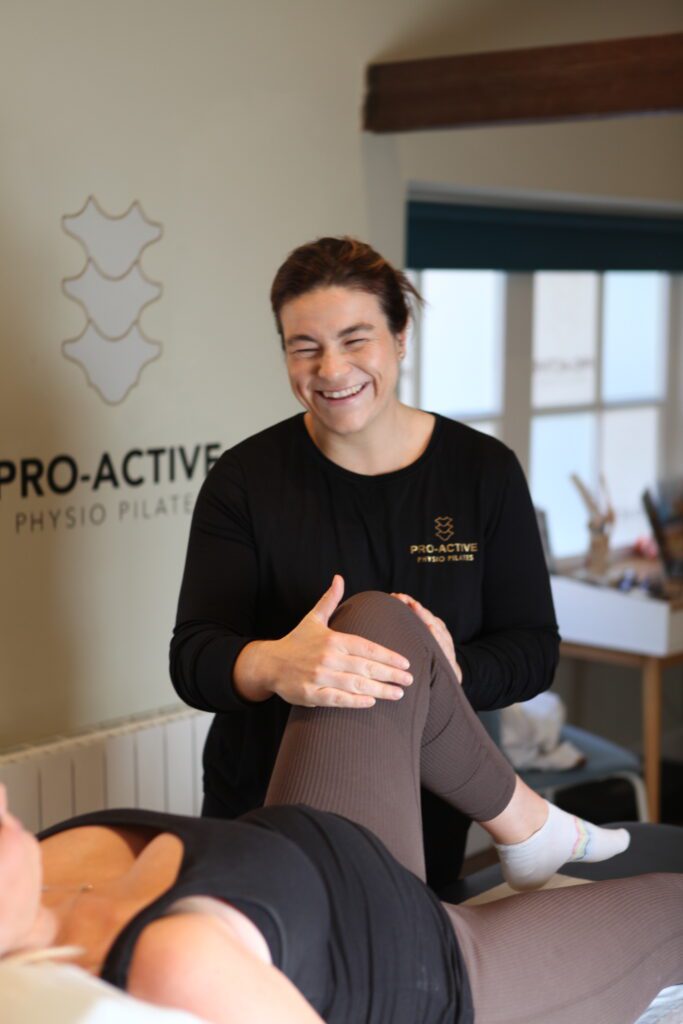
Francesca Corr
Specialist Women’s Health Physiotherapist
Pro-Active Physio and Pilates, Tewkesbury