
Teenagers are increasingly enthusiastic about getting stronger, fitter, and more confident in the gym. It’s brilliant to see young people embracing activity, but, as with anything, balance matters. At Pro Active Physio & Pilates, we regularly treat young athletes who have pushed a little too hard, too soon resulting in serious injuries such as spinal stress fractures. Overtraining is a real risk, and understanding it is key to keeping teenagers healthy, resilient, and progressing safely.
This guide blends insights from NICE recommendations, RFU youth training guidance, and our own clinical experience to help families and coaches spot the signs early and protect young bodies from preventable injury.
Why Teenagers Are More Vulnerable to Overtraining:
Teenagers are still developing physically, hormonally, and neurologically. Their bones, muscles, and connective tissues are not yet fully mature, which means.
- They fatigue faster
- They recover more slowly
- They are more sensitive to training errors
- They may not recognise early warning signs
NICE guidance emphasises the importance of varied, age‑appropriate physical activity and highlights that young people should build strength gradually as part of a balanced weekly routine.
The RFU echoes this, noting that young athletes are not naturally prepared for the rigours of high-intensity training and require structured, progressive strength work to reduce injury risk.
What Counts as Overtraining?
Overtraining isn’t just “training a lot.” It’s when training stress exceeds the body’s ability to recover. In teenagers, this can happen quickly.
Common causes include:
- Lifting weights that are too heavy
- Training the same muscle groups without rest
- Combining gym work with school sports, club sports, and PE
- Poor sleep or nutrition
- Pressure to “keep up” with adults or older peers
The RFU’s Activate programme reinforces the importance of good technique, functional strength, and controlled progression, all of which help prevent overload.
Key Warning Signs of Overtraining in Teens
Parents, coaches, and teens themselves should watch for:
Physical signs
- Persistent muscle soreness
- Joint pain or swelling
- Recurrent niggles or strains
- Reduced performance despite training more
- Frequent colds or illnesses
Psychological signs
- Irritability or mood changes
- Loss of motivation
- Trouble sleeping
- Feeling overwhelmed or fatigued
Behavioural signs
- Skipping rest days
- Training secretly or excessively
- Anxiety about missing a session
What the Guidelines Say
NICE
NICE recommends that young people engage in a variety of activities, including strength work, but stresses the need for balanced weekly activity, adequate rest, and avoiding long periods of intense training without recovery.
RFU
The RFU’s position statement on youth strength training highlights that:
- Strength training can reduce injury risk when done correctly
- Young athletes need supervision, good technique, and age‑appropriate loads
- Overtraining increases the risk of both acute and overuse injuries
Their Activate programme further supports structured warm‑ups and controlled progressions to protect developing bodies.
How to Keep Teenagers Safe in the Gym
At Pro Active Physio & Pilates, we champion a supportive, educational approach. Here’s what we recommend:
1. Prioritise Technique Over Load
Teenagers should master movement patterns before adding weight. Poor form under load is a fast track to injury.
2. Build Gradually
Follow the principle of progressive overload – small, steady increases rather than big jumps.
3. Schedule Rest Days
Rest is where the body adapts. No rest = no progress.
4. Balance Training Types
Mix strength, mobility, aerobic fitness, and skill-based activities. This aligns with NICE’s emphasis on varied weekly activity.
5. Use Structured Warm-Ups
The RFU’s Activate programme is a great model for improving movement quality and reducing injury risk.
6. Encourage Open Communication
Teens should feel comfortable reporting pain, fatigue, or worries – without fear of judgement.
7. Seek Professional Guidance
A physio, sports therapist, or qualified strength coach can help tailor a safe programme.
Our Pro Active Approach
We work closely with young athletes to:
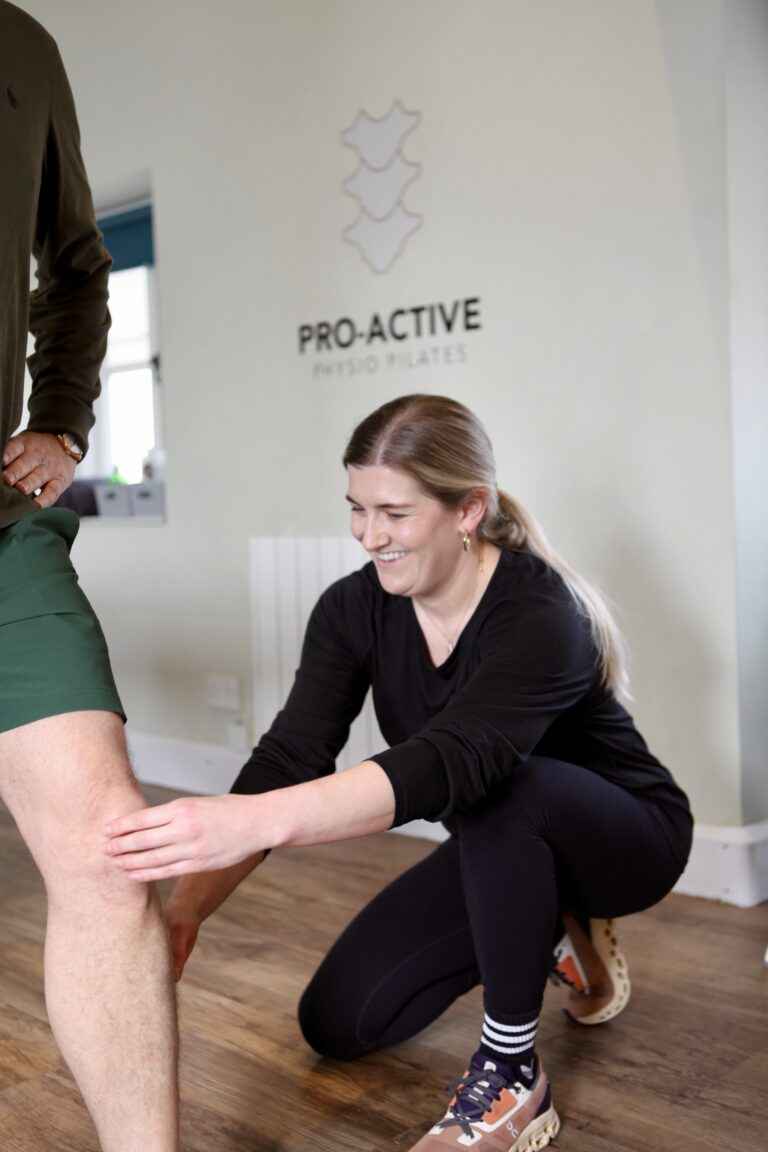
- Assess movement patterns
- Identify early signs of overload
- Build personalised strength plans
- Improve mobility and control
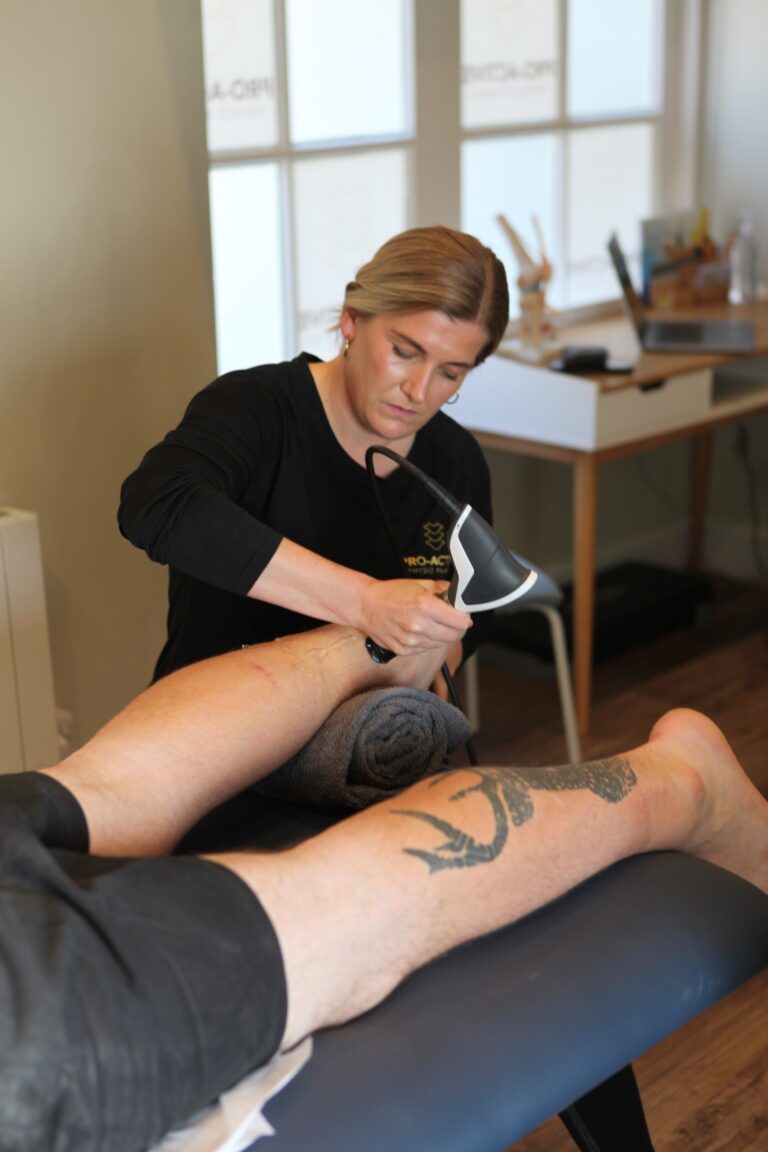
- Support recovery from injuries
- Educate teens and parents on safe training habits
Our goal is simple: help teenagers build strong, confident, resilient bodies without compromising their long‑term health.
Final Thoughts
Overtraining in teenagers is preventable. With the right guidance, structured progression, and a supportive environment, young people can thrive in the gym and enjoy all the benefits of strength training safely.
If you’d like help assessing your teenager’s training load, movement patterns, or injury risk, we’re here to support you every step of the way.