
Bruxism often described as teeth grinding, jaw clenching, or “holding tension in the jaw” is surprisingly common. Many people don’t realise they’re doing it until they start waking with jaw pain, headaches, facial tension, or tightness through the neck and shoulders.
At Pro‑Active Physio & Pilates, we regularly support people with bruxism‑related symptoms, especially when they’re linked to jaw tension, temporomandibular joint (TMJ) dysfunction, stress, or postural overload. Working in line with NICE guidance and dental best practice, we help you understand what’s driving your symptoms and what conservative treatments may help – including when options like Medical Botox may be discussed with our Consultant Physiotherapist.
If you’re looking for a TMJ physio in Tewkesbury, Pershore, Evesham, Cheltenham or surrounding areas this guide explains what bruxism is, why it happens, and how we can help you.
What Is Bruxism?
Bruxism is the involuntary grinding or clenching of the teeth. It can occur:
- During sleep (sleep bruxism)
- During the day (awake bruxism)
If you’re unsure whether your symptoms fit, explore our TMJ & Jaw Pain Physiotherapy page.
Common Symptoms of Bruxism
People with bruxism often experience:
- Jaw pain or tightness
- Morning headaches
- Facial tension
- Clicking or discomfort in the jaw
- Earache‑type symptoms
- Neck and shoulder tightness
- Disturbed sleep
- Tooth wear (identified by a dentist)
If these symptoms sound familiar, our specialist physio team can help assess what’s contributing.
What Causes Bruxism?
There’s rarely a single cause. NICE and dental guidelines highlight several contributing factors:
1. Sleep‑Related Factors
Including snoring, sleep apnoea, or disrupted sleep cycles.
2. Dental or Bite‑Related Issues
Your dentist may identify tooth wear, bite patterns, or jaw loading habits.
3. Posture & Muscle Tension
Neck and upper‑back tension can influence jaw mechanics.
5. Medications & Lifestyle Factors
NHS guidance notes links with certain antidepressants (SSRIs), caffeine, alcohol, and smoking.
6. Stress and Emotional Tension
A major driver of both daytime and sleep bruxism.
What Do NICE & Dental Guidelines Recommend?
- Conservative management as first‑line treatment such as physiotherapy.
- Education, reassurance, and self‑management
- Addressing stress, sleep, and lifestyle contributors
- Assessing jaw movement and muscle tenderness
- Considering dental referral when tooth wear or bite issues are suspected including the use of Medical Botox
Dental best practice includes:
- Assessment of tooth wear and bite
- Advice on reducing grinding triggers
- Medical Botox – Gold Standard Treatment
- Considering a night‑time mouthguard
- Monitoring long‑term tooth health
Dentists and physiotherapists often work together – your dentist protects your teeth, while we help reduce the muscular and joint tension driving your symptoms.
How Physiotherapy Helps With Bruxism
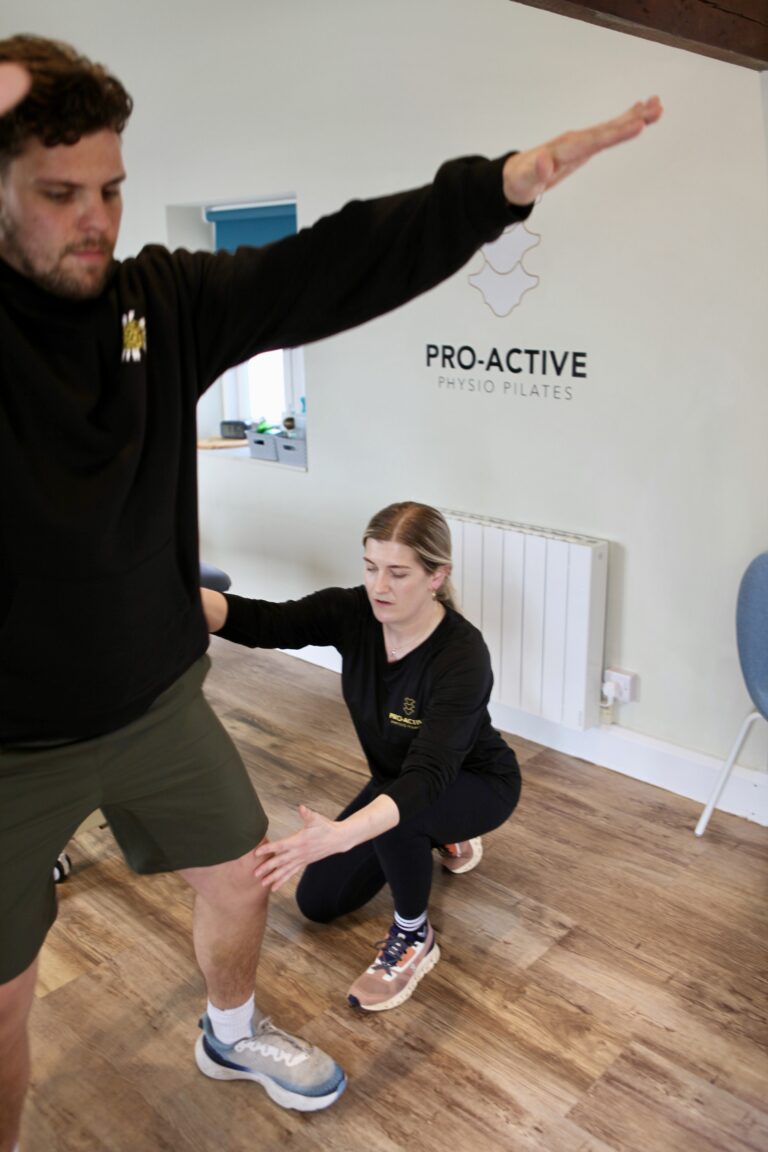
At Pro‑Active Physio & Pilates, we support bruxism by addressing the muscular, postural, and movement‑related factors that contribute to jaw tension.
Our highly qualified approach includes:
1. Jaw & TMJ Assessment
We assess jaw movement, muscle tension, posture, and contributing habits.
2. Hands‑On Treatment
Manual therapy techniques to release tension in the jaw, face, neck, and upper back including joint and soft tissue mobilisations.
3. Posture & Movement Retraining
Helping you reduce unconscious clenching habits.
4. Relaxation & Awareness Strategies
Practical tools to reduce daytime jaw tension.
5. Strengthening & Mobility Exercises
Supporting long‑term jaw health and resilience.
Where Does Medical Botox Fit In?
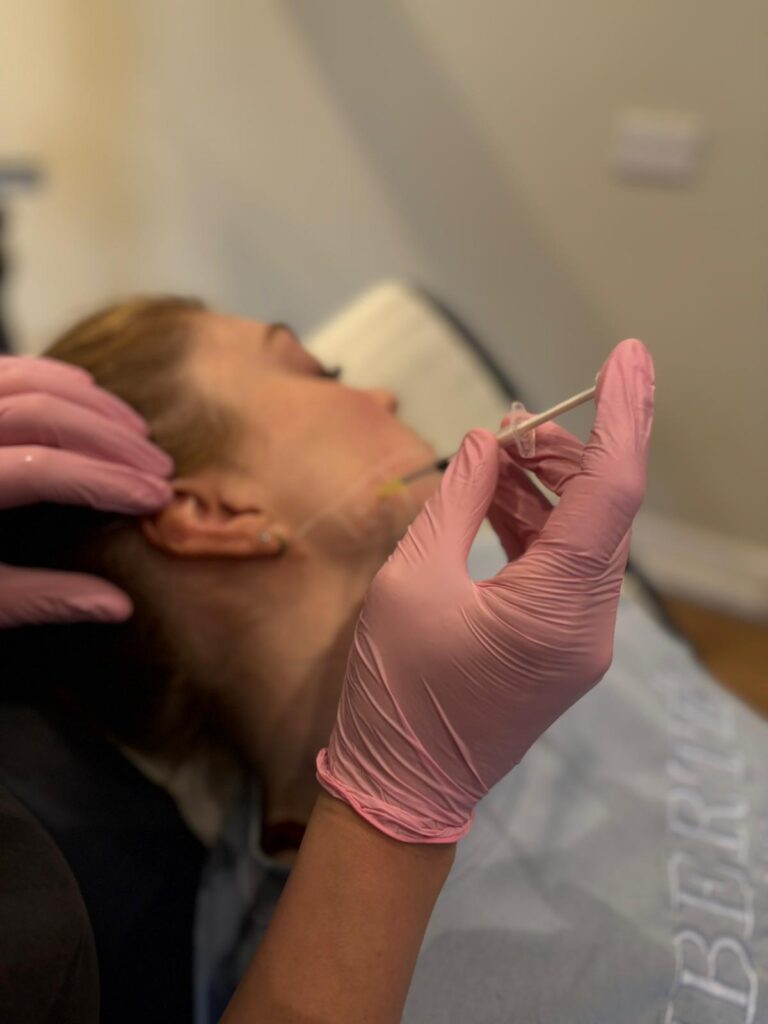
Here at Pro-active Physio, Tewkesbury we are professionally trained to use Medical Botox (botulinum toxin) to help manage severe jaw muscle overactivity and pain. It works by temporarily reducing muscle activity in the masseter or temporalis muscles. Medical Botox is currently seen as the GOLD STANDARD treatment advised by dentists for the management of bruxism.
When it may be considered:
- When conservative treatments haven’t helped.
- When jaw clenching is severe and persistent.
- When a dentist or medical professional identifies significant muscle overactivity.
Important notes:
- Botox is not a first‑line treatment
- It should only be provided by a qualified medical or dental professional
- It is typically used alongside, not instead of, conservative care
- Physiotherapy remains essential for long‑term management
What We Offer at Pro‑Active Physio & Pilates
- Comprehensive TMJ & jaw assessment
- Hands‑on treatment for jaw, neck, and upper‑back tension
- Tailored exercise programmes
- Guidance on habits, posture, and stress‑related triggers
- Medical Botox provided here on site.
- Support alongside dental care
- Clear signposting when further medical input may be appropriate
- Struggling with jaw pain or teeth grinding? Book your TMJ assessment today.
- Ready to get Back Into Action? Our physio team in Tewkesbury can help.
- Unsure whether your symptoms are bruxism? Let us assess your jaw and neck
- Explore our full physiotherapy services.
We can’t wait to see you!