
Understanding Knee Arthritis: What it is and how we treat it here at Pro-active Physio Tewkesbury.
Knee osteoarthritis (OA) is one of the most common causes of persistent knee pain, stiffness, and reduced mobility. It can affect anyone, but it becomes more common with age, previous injury, or increased load on the joint. At Pro Active Physio & Pilates, we see knee OA alot. The good news is that there is plenty we can do to help you stay active, strong, and in control of your symptoms.
Modern guidance from NICE and the Chartered Society of Physiotherapy (CSP) is clear: knee OA is manageable, exercise is safe and recommended, and early support leads to better outcomes.
What is actually happening in your knee?
Knee OA is not simply “wear and tear” – a phrase we actively avoid these days because it’s misleading and unhelpful. Instead, OA is a condition where the joint structure changes over time. These changes can include:
- Thinning of the cartilage
- Irritation of the joint lining
- Changes in bone shape
- Weakness in the surrounding muscles
These changes can cause pain, stiffness, and swelling, but they do not mean the joint is damaged beyond help. The knee is incredibly adaptable, and with the right approach, symptoms can improve significantly.
The CSP emphasises the importance of clear, accessible explanations to help people understand that movement is safe and beneficial. Here at Pro-active, we plan to teach you how to manage your symptoms well, keep active and maximise your quality of life.
What are your treatment options?
NICE guidelines highlight that exercise, education and a healthy lifestyle are the core treatments for knee OA. Other options – including injections and surgery can be considered depending on symptoms, goals, and response to conservative care. Below we discuss the various options available to you – all of which can be accessed right here on site at our Tewkesbury clinic not far from Pershore, Cheltenham, Evesham and Worcestershire.
1) Exercise Therapy
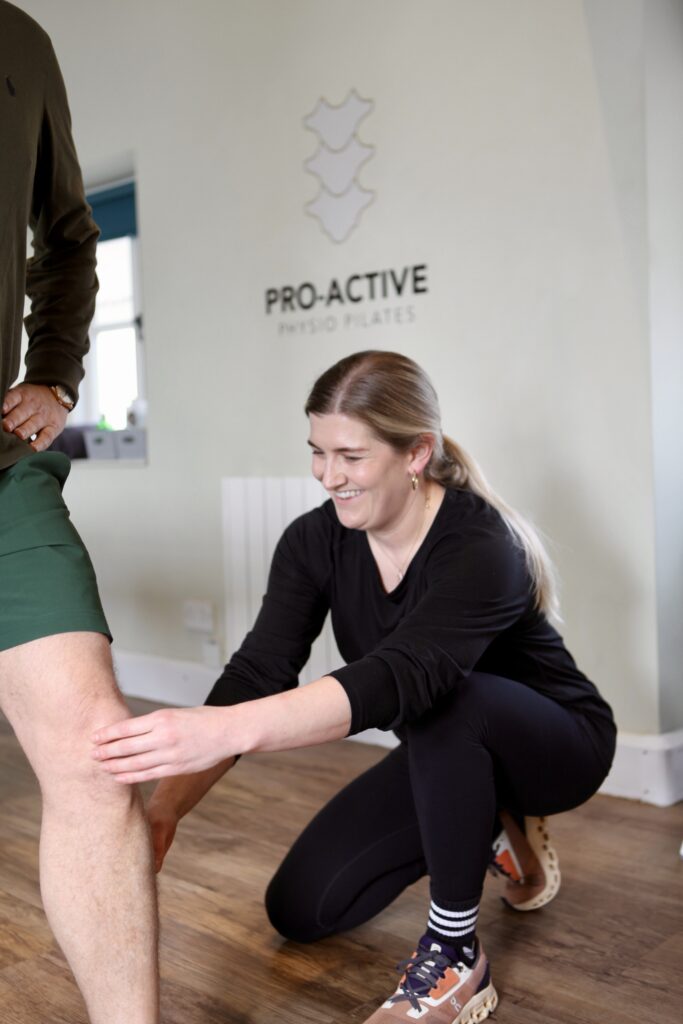
Exercise is the single most effective treatment for knee OA. NICE recommends ‘therapeutic exercise tailored to the individual‘ including strengthening exercises, aerobic fitness and balance and control work.
At our clinic, we combine physiotherapy with Clinical Pilates, supervised rehabilitation sessions and personalised home exercise programmes (provided by our online physitrack app). It is our aim to help you to maintain your mobility, to keep pain and swelling at bay and help you to keep doing what you love doing most whether it be hill walking, tennis, gardening or bowls.
2) Weight Management and Healthy Lifestyle.
For those who are overweight, even small amounts of weight loss can reduce pain and improve function. NICE notes that 10% weight loss is more effective than 5%, but any progress helps. We can help you to make adjustments to your diet, to avoid inflammatory foods and to help you reduce pressure on your knee joint.
3) Manual therapy
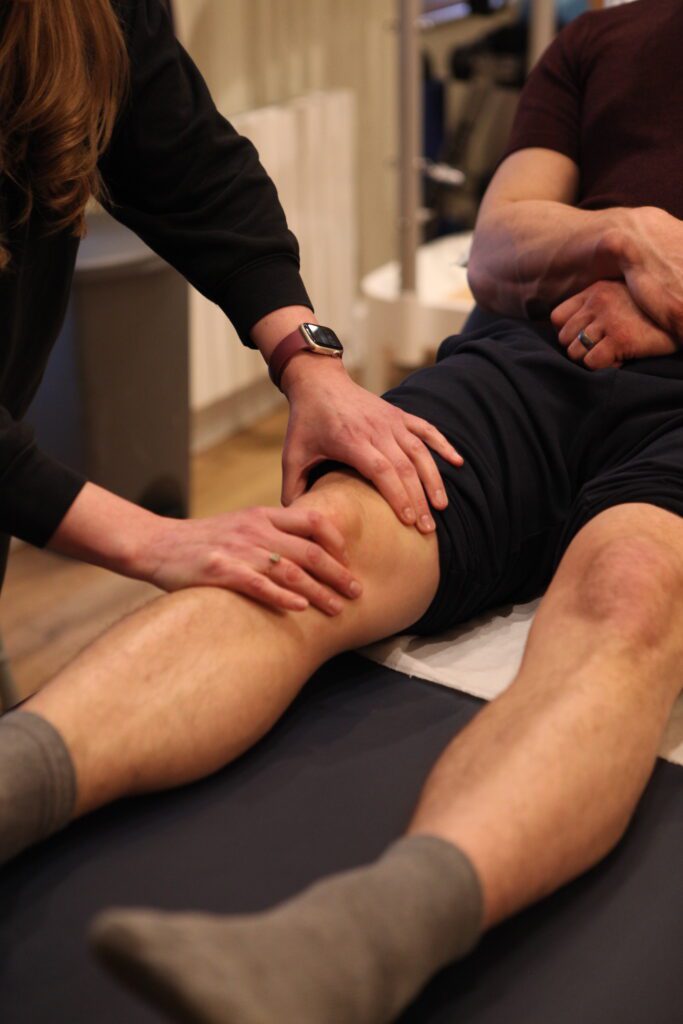
NICE advises that manual therapy can be used alongside exercise. It may help with short-term pain relief or stiffness. Many of the symptoms you are experiencing around your knee will be as a result of tightness in the surrounding soft tissues such as your quadriceps muscle and Iliotibial band. At Pro-active we use hands on therapy to release some of these structures and joint mobilisations to relieve stiffness and encourage normal movement patterns.
4) Steroid Injections
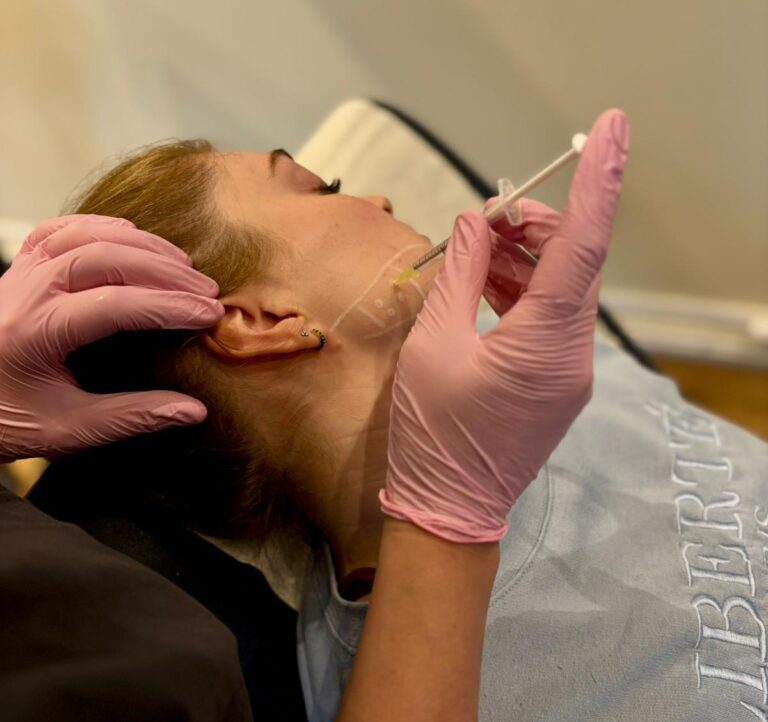
A corticosteroid injection can provide short-term relief from a painful flare up, especially when swelling is present. It’s not a long-term fix, but it can create a window of opportunity to reduce your symptoms and progress your rehab. NICE supports steroid injections as an option when symptoms are significantly limiting daily life. There are some risks associated with repeated steroid injections so we will talk you through the various other injections that we have on offer in order to help preserve your knee joint and delay knee surgery for as long as possible. All of our injections are ultrasound guided making them highly accurate and effective.
5) Hyluronic Acid
Hyluronic Acid Injections for the management of knee OA are becoming more and more popular with an increasing evidence base. They are less destructive to the joint than steroid and so you can have as many as you need ongoing, at 6 monthly intervals. There is early evidence to suggest that they significantly delay the need for a Total Knee Replacement by lubricating the joint and significantly reduce pain, thus reducing reliance on day to day pain killers. Hyluronic Acid injections are a safe and cost effective way to manage your knee pain with minimal side effects. Please get in touch if you would like some more information.
6. Shockwave Therapy
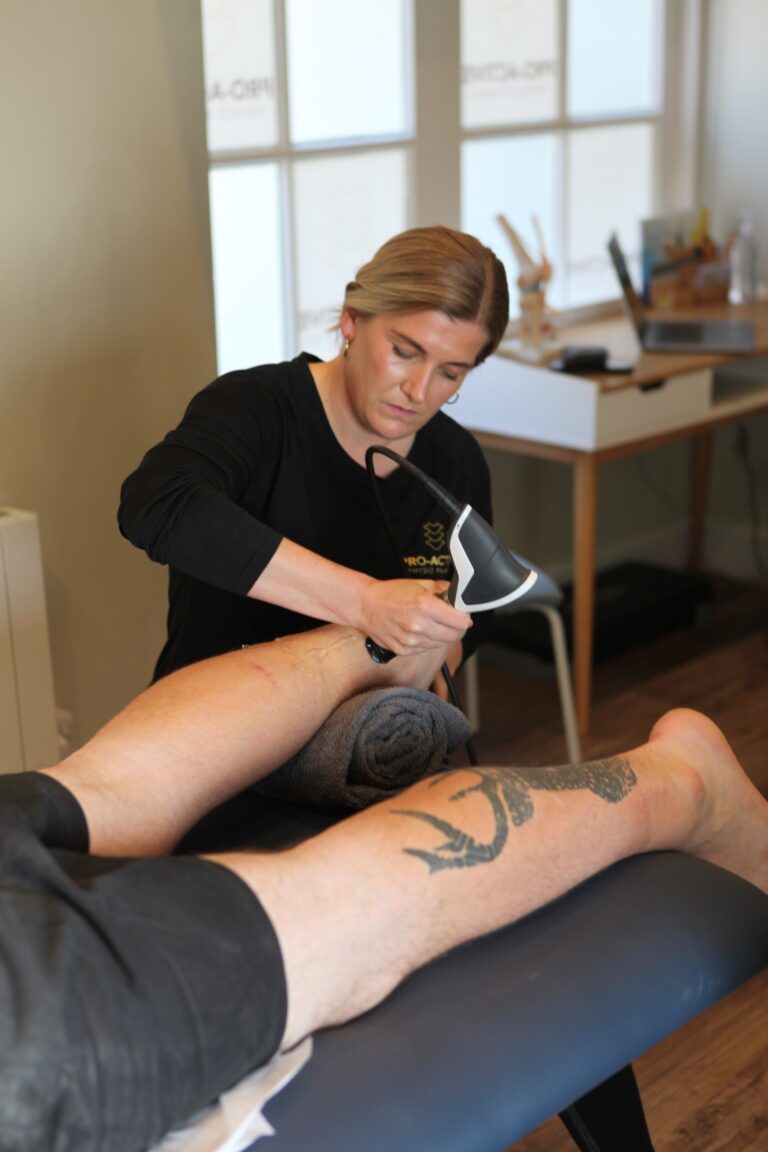
Although not yet included in NICE’s core recommendations, shockwave therapy is increasingly used for chronic tendon-related knee pain (e.g. patellar tendinopathy) and may support symptom relief in early OA cases. It can be a useful adjunct when pain is stubborn or linked to surrounding soft tissue structures.
7. Medication Options
Off the counter pain killers can be very effective in the management of OA. NICE recommends Topical Non Steroidal Anti Inflammatories (NSAIDS) such as Ibuprofen or Voltarol gel as first-line treatment. If these are ineffective then oral NSAIDS with gastroprotective medication are recommended but, speak to your pharmacist first as long term use can cause adverse side effects. Our Consultant Physiotherapist Lucinda Davies is here on our Tewkesbury site daily and is qualified to prescribe some pain medications. She is more than happy to discuss your medication options with you. Follow the link below to read our blog about this and find out more.
8. Surgical Options
When all else fails. surgery may be your only option. If your symptoms remain severe despite all of the above and if pain is significantly limiting your day to day life and mental health.
Here at Pro-active, we work very closely with a number of specialist orthopaedic surgeons based in Cheltenham and Gloucester. Whether via the NHS or privately we can directly refer you for scans such as MRI’s or X-rays, blood tests and orthopaedic surgery. You may then be offered a Total Knee Replacement, a Partial Knee Replacement or if you are younger then an Osteotomy to realign the bone. We can work with you both before and after your operation to help you get the best outcome and get you back into action.
9) When Surgery is not an Option: Bracing
If surgery is not appropriate for you, maybe due to current work commitments or other medical issues, we also work closely with Lewis Brand Orthotics who can advise and fit specialist knee braces. An unloader brace can often prove beneficial to take the pressure off the worn joint. Some of these braces are designed to help you maintain an active lifestyle and continue with high level sports such as ski-ing or running. Laura Aggett, their specialist orthotist, can also assess and fit bespoke insoles which can also help to reduce your symptoms by correcting the biomechanics of your foot.
Final Thoughts
Knee osteoarthritis doesn’t have to stop you doing the things you love. With the right plan, most people see meaningful improvements in pain, strength, and confidence. Whether you’re newly diagnosed or have been struggling for years, we’re here to help you move better, feel better, and stay active for the long term.
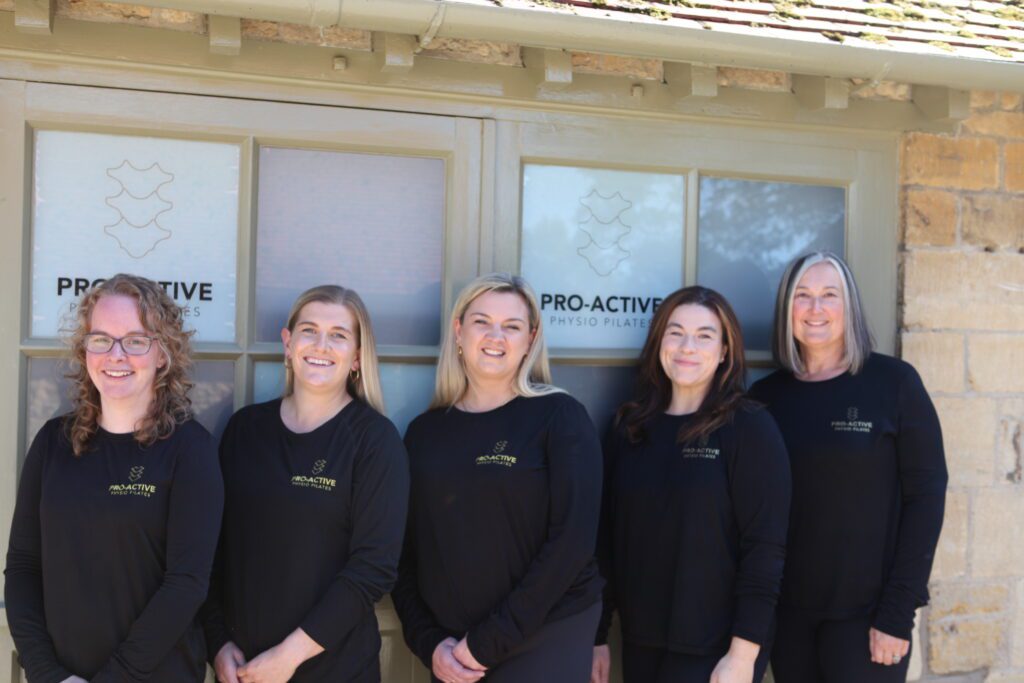
If you’d like to book an assessment or discuss your symptoms, our team in Overbury near Tewkesbury is ready to support you.