
Knee pain is one of the most common reasons people seek physiotherapy. Whether you’ve developed discomfort while walking, exercising, climbing stairs or simply getting out of a chair, knee pain can quickly impact your quality of life.
Many people hope the problem will settle on its own, but persistent knee pain often indicates an underlying issue that needs addressing. The good news is that physiotherapy can help identify the cause, reduce pain and improve movement without relying solely on medication.
If you’re experiencing any of the following signs, it may be time to book an assessment with an experienced physiotherapist.
1. Your Knee Pain Has Lasted More Than Two Weeks
It’s normal to experience some soreness after an unusual activity or minor strain. However, if your knee pain hasn’t improved within two weeks, it may indicate a problem that requires professional assessment.
Common causes include:
- Patellofemoral pain syndrome
- Tendon irritation
- Meniscus injuries
- Early osteoarthritis
- Ligament injury
The earlier treatment begins, the easier it is to address movement issues before they become persistent.
2. You’re Avoiding Activities You Normally Enjoy
Have you stopped:
- Walking longer distances?
- Going to the gym?
- Running?
- Playing golf?
- Attending exercise classes?
- Keeping up with your grandchildren?
These lifestyle changes often happen gradually. Many people adapt their activities without realising how much knee pain is affecting their daily life.
A physiotherapy assessment can identify why your knee is becoming painful during these activities and create a personalised plan to help you return to them safely.
3. Walking Up or Down Stairs Is Becoming Difficult
Pain when climbing or descending stairs is one of the most common complaints we hear at our clinic.
This can be linked to:
- Weakness around the hip and knee
- Patella (kneecap) tracking issues
- Arthritis
- Tendon problems
- Reduced joint mobility
Many patients assume it’s just “wear and tear”, but often there are significant improvements that can be made through targeted strengthening and movement correction.
4. Your Knee Feels Unstable or Gives Way
If your knee occasionally feels like it might buckle or collapse underneath you, it’s important to seek professional advice.
Instability can indicate:
- Ligament injury
- Muscle weakness
- Reduced balance
- Poor movement control
- Meniscus problems
Ignoring instability can increase the risk of falls and further injury.
A physiotherapy assessment can help determine the cause and restore confidence in your movement.
5. You’ve Started Hearing Clicking, Grinding or Crunching Sounds
Many people become concerned when their knee makes noises.
In some cases, clicking and popping without pain is completely harmless.
However, if the sounds are accompanied by:
- Pain
- Swelling
- Stiffness
- Locking
- Loss of movement
it may indicate an underlying issue that would benefit from assessment and treatment.
6. Your Knee Is Swollen or Stiff
Swelling is your body’s way of responding to irritation or injury.
If swelling keeps returning after activity, it may indicate:
- Joint irritation
- Arthritis
- Meniscus injury
- Ligament damage
- Overuse injury
Likewise, morning stiffness or stiffness after sitting for prolonged periods can suggest developing joint problems.
Addressing these issues early often leads to better long-term outcomes.
7. The Pain Is Starting to Affect Other Areas
When your knee hurts, your body naturally adapts.
You may begin to notice:
- Hip pain
- Back pain
- Foot pain
- Changes to your walking pattern
- Reduced confidence with exercise
Compensation patterns can create additional problems elsewhere in the body.
A physiotherapist looks at the whole movement system rather than just treating the painful area.
Common Causes of Knee Pain
At Pro-Active Physiotherapy & Pilates, we regularly help people with:
Osteoarthritis
A common condition affecting the knee joint, particularly in adults over 45.
Running Injuries
Pain commonly caused by overtraining, poor footwear and increasing distances too quickly too soon.
Meniscus Injuries
Damage to the cartilage that helps cushion the knee joint. For example football injuries.
Tendinopathy
Irritation of tendons around the knee caused by overload or repetitive activity.
Ligament Injuries
Often caused by sports injuries or other trauma to the knee. This sometimes needs an MRI scan and further referral onto Orthopaedics.
Muscle Weakness
Weakness in the hips, glutes and quadriceps often contributes to ongoing knee pain. Our specialist team will examine your core stability.
How Physiotherapy Can Help Knee Pain
Every patient receives an individual assessment to understand the factors contributing to their symptoms.
Treatment may include:
Hands-on treatment
Joint mobilisation
Strengthening exercises
Balance and stability training
Running assessments
Movement analysis
Advice on activity modification
Pilates-based rehabilitation
Injections
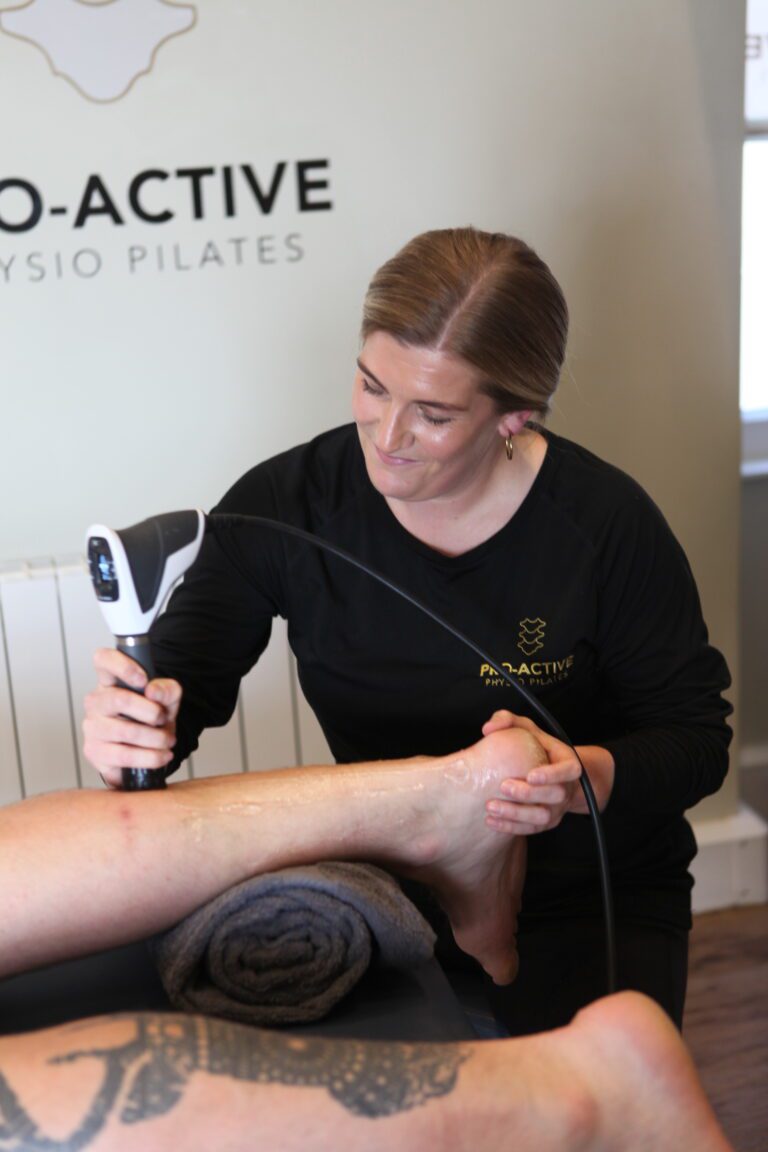
Shockwave therapy
And if needed onwards referral to an Orthopaedic surgeon.
The goal is not simply to reduce pain but to help you return to the activities that matter most to you.
Don’t Wait for Knee Pain to Get Worse
Many people put up with knee pain for months or even years before seeking help.
The reality is that early assessment often leads to faster recovery and prevents minor problems from becoming long-term issues.
If your knee pain is affecting your walking, exercise, work or everyday activities, physiotherapy could help you move more comfortably and confidently again.
Book a Knee Pain Assessment in Tewkesbury
At Pro-Active Physiotherapy & Pilates, our experienced physiotherapists provide evidence-based treatment for knee pain, sports injuries, arthritis and rehabilitation.
We help patients from:
- Tewkesbury
- Cheltenham/Bishops Cleeve
- Worcester
- Pershore
- Evesham
- Surrounding Gloucestershire, Cotswolds and Worcestershire areas
Ready to get back to doing what you enjoy?
Book your physiotherapy assessment today and let us help you take the first step towards lasting relief from knee pain.