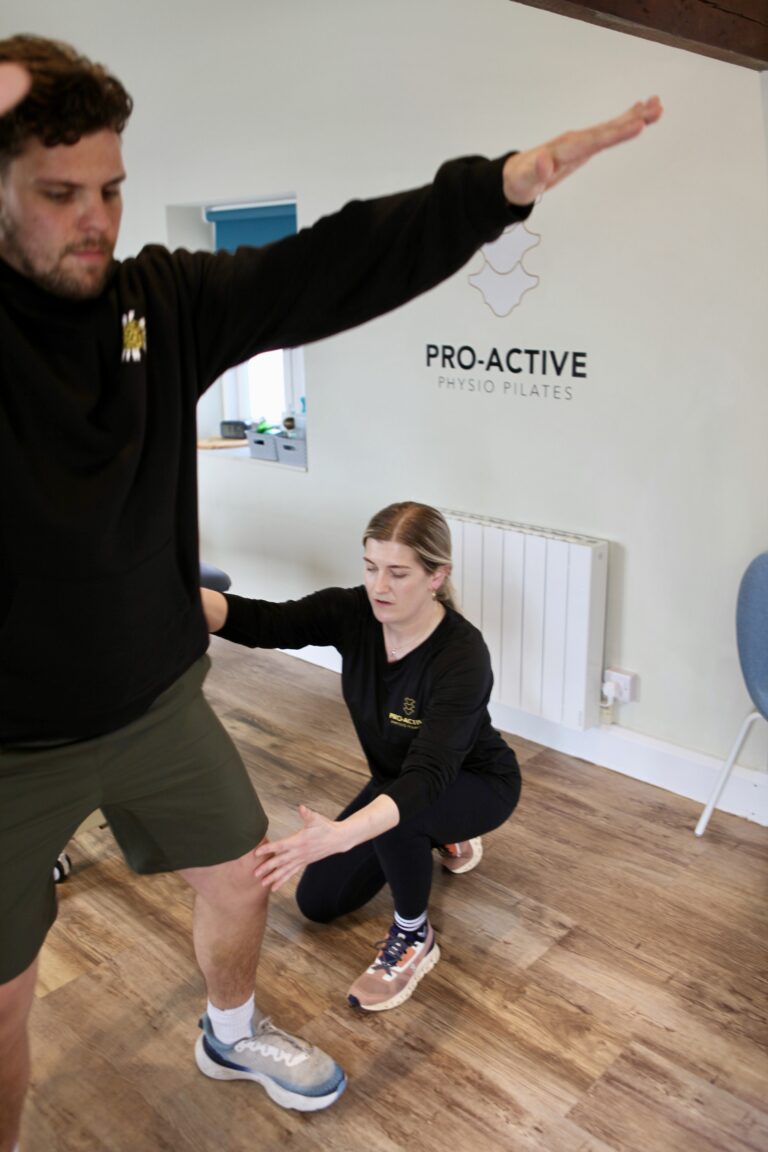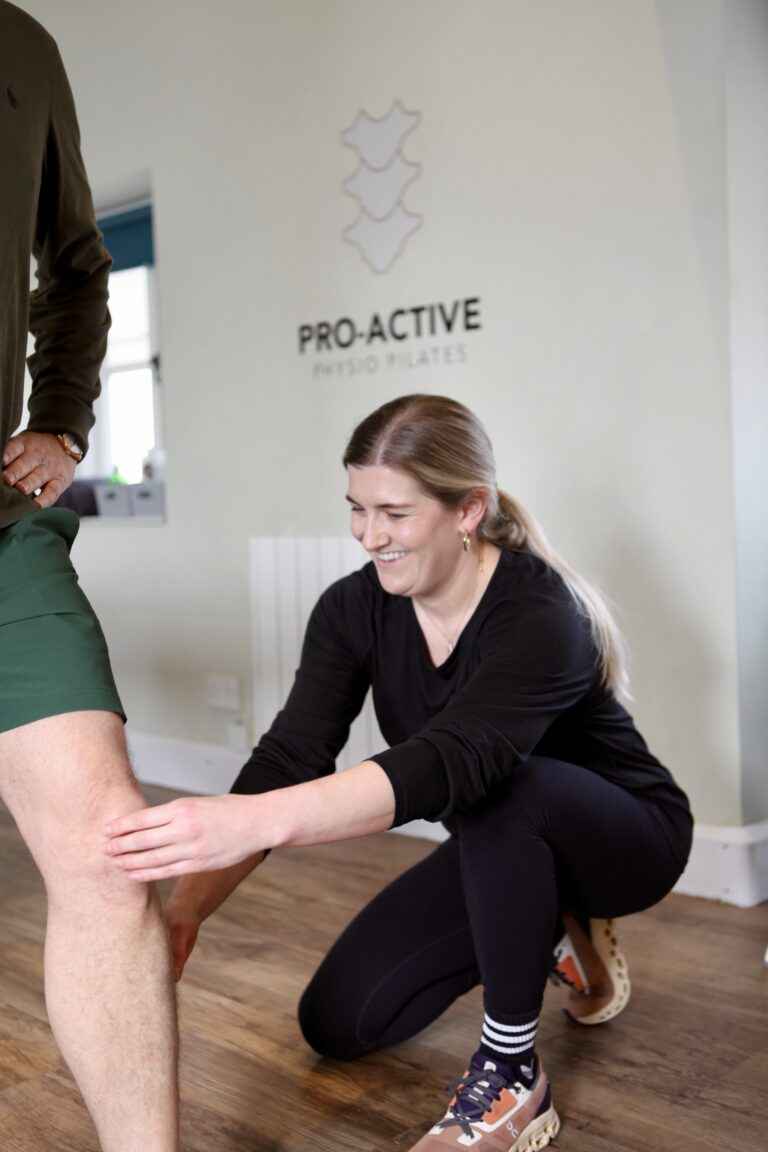

As the cricket season approaches, players of all ages – from enthusiastic juniors to seasoned club cricketers – are eager to get back into nets, matches and long days in the field. But after a winter of reduced cricket‑specific load, the body isn’t always ready for the sudden spike in bowling, batting, sprinting and throwing.
Following KidsBack2Sport guidance, NICE and CSP recommendations, and National Cricket Board (NCB) principles, this blog outlines how to prepare safely, reduce injury risk, and build the strength needed for a successful season.
Why Injuries Spike at the Start of the Season
KidsBack2Sport highlights that many early‑season injuries occur when training load increases faster than the body can adapt. This applies to adults and children alike. Sudden increases in:
- Bowling volume
- Throwing
- Sprinting
- Fielding drills
- Match intensity
These all place stress on muscles, tendons and bones that haven’t been conditioned for cricket‑specific demands.
For juniors, this risk is even higher due to immature bone development, especially in the lower back. The lumbar spine continues to mature into early adulthood, making young bowlers particularly vulnerable to bone stress injuries.
The Most Common Cricket Injuries
Across adults and juniors, men and women, the same patterns appear season after season.
1. Hamstring Strains
The most common injury in cricket – often occurring during sprinting, sudden deceleration or diving in the field.
2. Lumbar Spine Stress Injuries
Especially in fast bowlers, but also seen in spin bowlers and juniors due to repeated extension and rotation.
3. Shoulder Injuries (Rotator Cuff & Overload)
Caused by repetitive bowling and throwing loads.
4. Ankle & Foot Sprains
Common in fielders and bowlers landing in unstable foot holes.
5. Side Strains
Often seen in bowlers due to high rotational forces.
6. Hand, Wrist & Finger Injuries
From ball impact during catching and fielding.
7. Knee Tendon Overload & Sprains
Frequent in bowlers and all‑rounders.
Preparing for the Season: Evidence‑Based Guidance
1. Gradually Build Your Workload
KidsBack2Sport and CSP guidance emphasise progressive loading – increasing bowling, throwing and sprinting volume slowly over 4–6 weeks.
This helps muscles, tendons and bones adapt safely.
For juniors
- Avoid sudden spikes in overs bowled
- Monitor for early signs of back pain
- Allow rest days between high‑load sessions
- Be mindful of growth spurts, sleep and nutrition (all reduce tissue tolerance)
For adults
- Increase overs, sprint volume and gym load gradually
- Avoid “cramming” fitness in the final weeks before the season
- Prioritise recovery between sessions
2. Follow NICE & CSP Principles for Safe Return to Sport
NICE and CSP guidelines emphasise:
- Strengthening before high‑load activity
- Eccentric loading for tendon resilience
- Movement quality over volume
- Load management to prevent overuse
- Early recognition of red flags (night pain, nerve symptoms, inability to weight‑bear)
These principles apply equally to adults and children.
Strengthening Programme: NCB‑Aligned, Physio‑Approved
Below is a simple, cricket‑specific strengthening plan suitable for men, women, adults and juniors (with load adjusted appropriately).
Lower‑Body Strength
1. Nordic Hamstring Curls (eccentric)
Builds hamstring resilience – essential for sprinting and fielding.
NICE and CSP both support eccentric strengthening for injury prevention.
2. Single‑Leg Romanian Dead Lifts
Improves posterior‑chain strength and balance.
Supported by cricket strength and conditioning research for reducing hamstring and back injury risk.
3. Rear‑Foot Elevated Split Squats
Develops leg strength for bowling stride, batting stability and sprint power.
Build Core Strength
Side strains and lumbar injuries are strongly linked to poor trunk control.
1. Pallof Press (Anti‑Rotation)
Excellent for bowlers and batters generating rotational force.
2. Dead Bug (Anti‑Extension)
Protects the lower back during bowling and batting.
3. Farmer Carries (Anti‑Lateral Flexion)
Reduces risk of side strains – a common bowling injury.
Upper‑Body Strength
1. Scapular Control Drills
(e.g., serratus punches)
Improves shoulder stability for throwing and bowling.
2. Rotator Cuff Strengthening
(e.g., banded external rotations)
Reduces risk of cuff overload.
3. Medicine Ball Side Throws
Builds rotational power for batting and bowling.
Speed & Agility
1. Sprint Progressions
Start with 60–70% effort and build to max speed over 3–4 weeks.
Helps prevent hamstring strains.
2. Change‑of‑Direction Drills
Essential for fielding and running between wickets.
3. Plyometrics (e.g., hurdle hops)
Improves power and reactive strength.
Red Flags: When to Seek a Physio Assessment
According to KidsBack2Sport and NICE guidance, seek assessment if you experience:
- Pain that worsens with bowling or doesn’t “warm up and go”
- Night pain or rest pain
- Sharp pain with sprinting or throwing
- Back pain in juniors
- Swelling, bruising or inability to weight‑bear
- Recurrent niggles that return with load increases
These symptoms may indicate bone stress, tendon overload or muscle injury requiring structured rehab.
Final Tips for a Safe, Strong Season
- Warm up properly: mobility, activation, progressive intensity
- Avoid sudden spikes in overs or sessions
- Prioritise sleep and nutrition (especially for juniors)
- Use protective equipment (gloves, pads, eyewear for juniors)
- Cross‑train: Pilates, strength training, multi‑sport participation
- Listen to your body – early intervention prevents long layoffs
Want a Cricket‑Specific Assessment or Pre‑Season Strength Plan?
At Pro Active Physio & Pilates (Tewkesbury & Overbury), our clinicians provide:
- Cricket injury screening
- Junior workload guidance
- Strength & conditioning plans
- Return‑to‑play programmes
- Shockwave therapy, injection therapy & hands‑on treatment where appropriate
Please note the information in this blog was written with guidance from the kidsback2sport website which has a lot of useful top tips for parents and coaches to help prevent a number of musculoskeletal injuries not just cricket related. They include growth spurt guidance, nutritional advice and sleep recommendations for the growing athletes.
Please get in touch if you have any further questions or would like to book an appointment. We can’t wait to meet you.